
Concrete Sidewalk Building in Kirkland WA - a walk that drains and stays flat
Cracked, sinking or puddled front walk? We dig it out, pack a solid base and pour a broom-finished walk that drains.
Request an estimate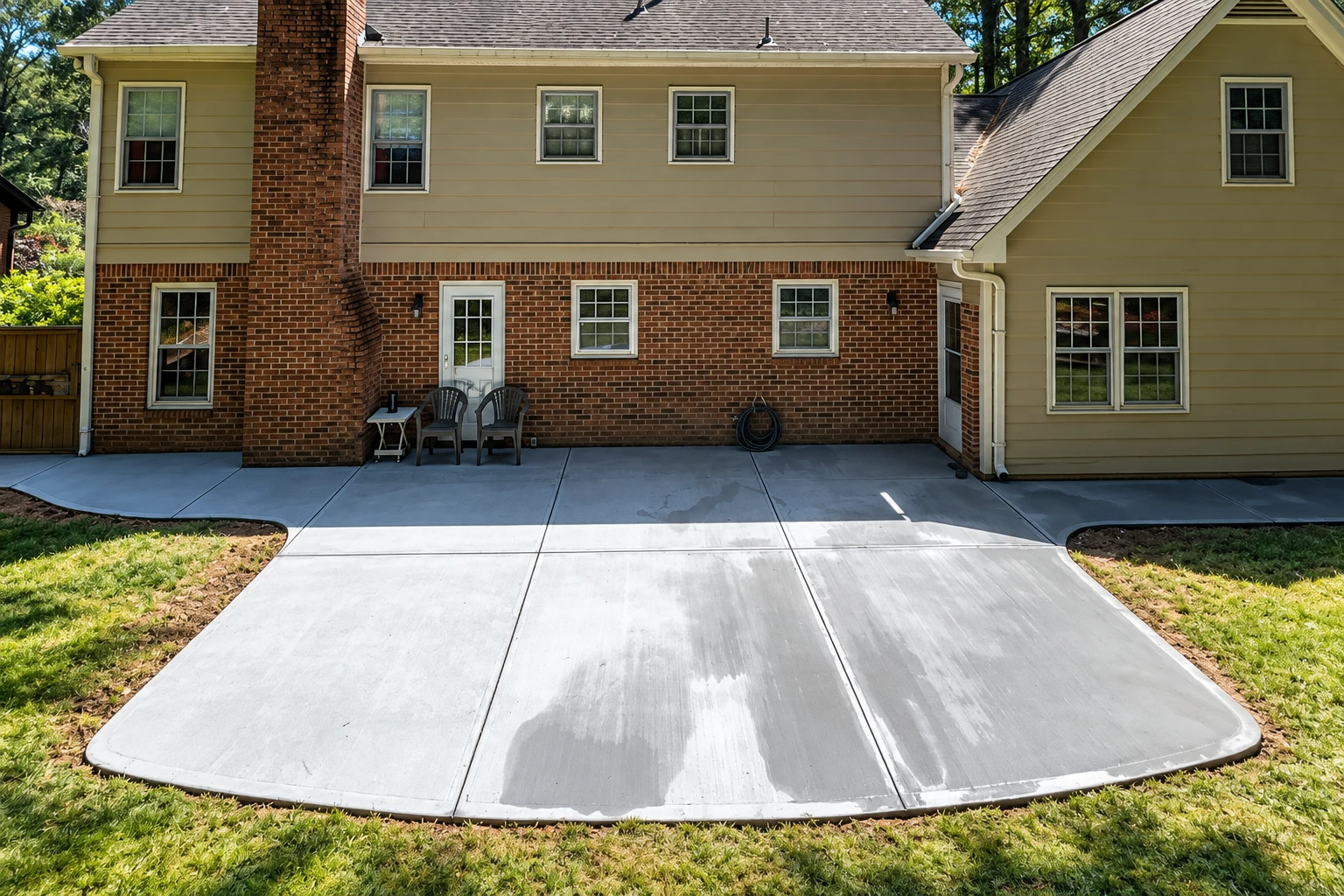
What goes into building a new concrete sidewalk in Kirkland?
Concrete sidewalk building in Kirkland means digging out a path, packing a firm base and pouring a concrete slab you can walk on every day, whether it runs from the front door to the street or around the side of the house.
Most calls start with a walk that's cracked, lifted by roots or holding a puddle by the front step, or with a yard that's never had a real path. The price moves with the walk's length and width, whether an old walk has to come out, how easy the spot is to reach with equipment, and whether anything will drive on it. If it meets a concrete driveway, that joint matters too. The schedule turns on the season, the weather on pour day and the curing wait afterward. We're based in Kirkland and work across the cities around it, inside city limits and out in the county areas too. I'll give you your own figure after a look at the site, and if the walk needs a permit, I'll tell you then.
How we handle concrete sidewalk building
Before we price anything, tell us if a car, a trailer or anything else will drive or park on the walk, because that changes how thick we build that part and whether we add rebar, the steel bars that hold a slab together if it cracks. On the job, we check where the water runs first so the walk falls away from your house. Then we dig out the old walk or the sod down to firm subgrade, the soil the slab sits on, and pack a gravel base in layers so it won't settle with the dirt. We set forms, place steel where it's needed and pour in the cooler part of the day, because concrete that sets too fast in midday heat can leave a weak, dusty top. After that comes a broom finish, a light ridged texture that gives your shoes grip when it's wet, and control joints, shallow grooves that tell the slab where to crack so it doesn't pick its own spot.
A new walk often ends at the garage, and if that slab is your next problem, our garage floor concrete work can be planned at the same visit. If you want color, a pattern or a border along the edges, that's decorative concrete, and I'll steer you toward a surface that still grips in the rain.
Building a concrete sidewalk in Kirkland
Where the walk sits on your lot decides the paperwork. Any work in the public right of way, the strip along the street, goes through the city's Public Works permit process, and you can apply and check review status online through MyBuildingPermit.com. City staff review each application, how long that takes depends on their workload, and city inspectors check the work afterward. For a walk on private ground, the city's permit guide lists sidewalks 30 inches or less above grade among work that's exempt from a building permit, but that exemption doesn't apply in flood hazard, wetland, steep slope, shoreline or other critical areas. A Parcel Report from the city's Property Search Tool shows whether any of those apply to your address. Even without a permit, zoning still applies, and the Planning division at 425-587-3600 can confirm setbacks from property lines and lot coverage limits. When a job needs a permit, I tell you at the estimate and take care of the application or walk you through it, so you know where it stands.
Western Washington's rain is the other thing we plan around. With this much water, a packed gravel base under the walk matters more because it gives water somewhere to go besides under the slab, and on sloped lots we watch where runoff heads before we set a single form. We see the same wet winters and soggy yards on jobs in Redmond and Bothell.
Finished concrete walks and paths
Get a free on-site estimate for your new walk
Tell us the walk's rough size, where it runs on your lot, whether anything will drive on it and whether an old walk comes out. Expect a reply within 1 business day, and then I'll come out to look at the site and give you a price, with no pressure to book.
(425) 285-8643Kirkland sidewalk questions
How much does a concrete sidewalk cost near Kirkland?
A residential concrete sidewalk in the Seattle area usually costs about $8 to $11.50 per square foot installed, covering materials, labor and site prep. That's the going rate in the area, not our quote, and access, removing an old walk and any thicker section for vehicles move your number. I'll give you your own figure at the estimate.
Do I need a permit for a sidewalk in Kirkland?
Any part of the walk in the public right of way needs a permit through the city's Public Works process. For a walk on private ground, it turns on its height above grade and whether your lot has a critical area, as covered above. I check this at the estimate so you're not guessing.
How thick should my concrete sidewalk be?
Most walkways and sidewalks are around four inches thick. If you plan to drive or park on part of the walk, that section may need to be thicker, which costs more, so mention it when you ask for a price.
What is the best time of year to pour a sidewalk in Kirkland?
Late spring, April into May, usually brings good weather, and fall, September into October, brings less demand, according to a Washington contractor directory. Summer is the busiest season with the longest waits, so booking in spring or fall trades those waits for milder conditions.
Can a concrete sidewalk be poured in winter?
Yes, when it's planned and protected. National guidance from the American Concrete Institute treats it as cold weather work when the air falls, or is expected to fall, below 40°F while the concrete needs protection, and concrete placed then still gains its strength when it's properly placed and protected. The colder it gets, the more protection it needs.
What causes a new concrete sidewalk to crack?
Most early cracking and sinking comes from a base that was raked level instead of dug out and packed, or from joints that were cut late or skipped. No one can promise concrete won't crack, but the aim is cracks that stay in the joints and a slab that doesn't settle or tilt. That's why I'd put your budget into the base before a fancier surface, since you can't fix the base later without tearing the walk out.
Plan your new Kirkland sidewalk
Call (425) 285-8643 or send the form with a quick note on where the walk runs, and I'll come to the estimate already knowing what to look at.